The Roman Empire, one of the most influential civilizations in history, began in 27 BCE when Octavian (later Augustus) became the first Roman emperor, following the end of the Roman Republic. Augustus established the imperial system and expanded the empire's borders. By 117 CE, the Roman Empire had expanded through numerous military campaigns, conquering territories, and reached its maximum extant, spanning three continents including Asia Minor, northern Africa, and most of Europe. In 286 CE the Roman Empire was split into eastern and western empires, each ruled by its own emperor. The western empire suffered several Gothic and Germanic tribe invasions, economic troubles, and internal strife and, in 455 CE, was sacked by Vandals. Rome continued to decline after that until the collapse of the Western Roman Empire in 476 CE. The Roman Imperial period lasted until 1453 CE in the East, with the fall of Constantinople. The eastern Roman Empire, more commonly known as the Byzantine Empire, survived until Turks took control of its capital city, Constantinople (modern day Istanbul in Turkey) in 1453 CE.
Latin was the official language, and it influenced the Romance languages. Greek was also widely spoken, especially in the eastern provinces. Latin became the foundation to many modern day language, most notably the “Romance languages” French, Spanish, Italian, Portuguese, Romanian, and Catalan. Many Latin root words are also the foundation for many English words. Roman engineering profoundly impacted future civilizations. Ancient Romans created curved roofs and large-scale arches, which were able to support more weight than the post-and-beam construction the Greeks used. They also built large amphitheatres, notably the Colosseum, resulting in the sports stadiums we see today, with their oval shapes and tiered seating, deriving from the basic idea the Romans developed. They also built expansive road systems, and were successful farmers developing irrigation systems and techniques like crop rotation, pruning and seed selection. The Roman Empire's legacy endures in modern law, government, architecture, and many aspects of Western culture.
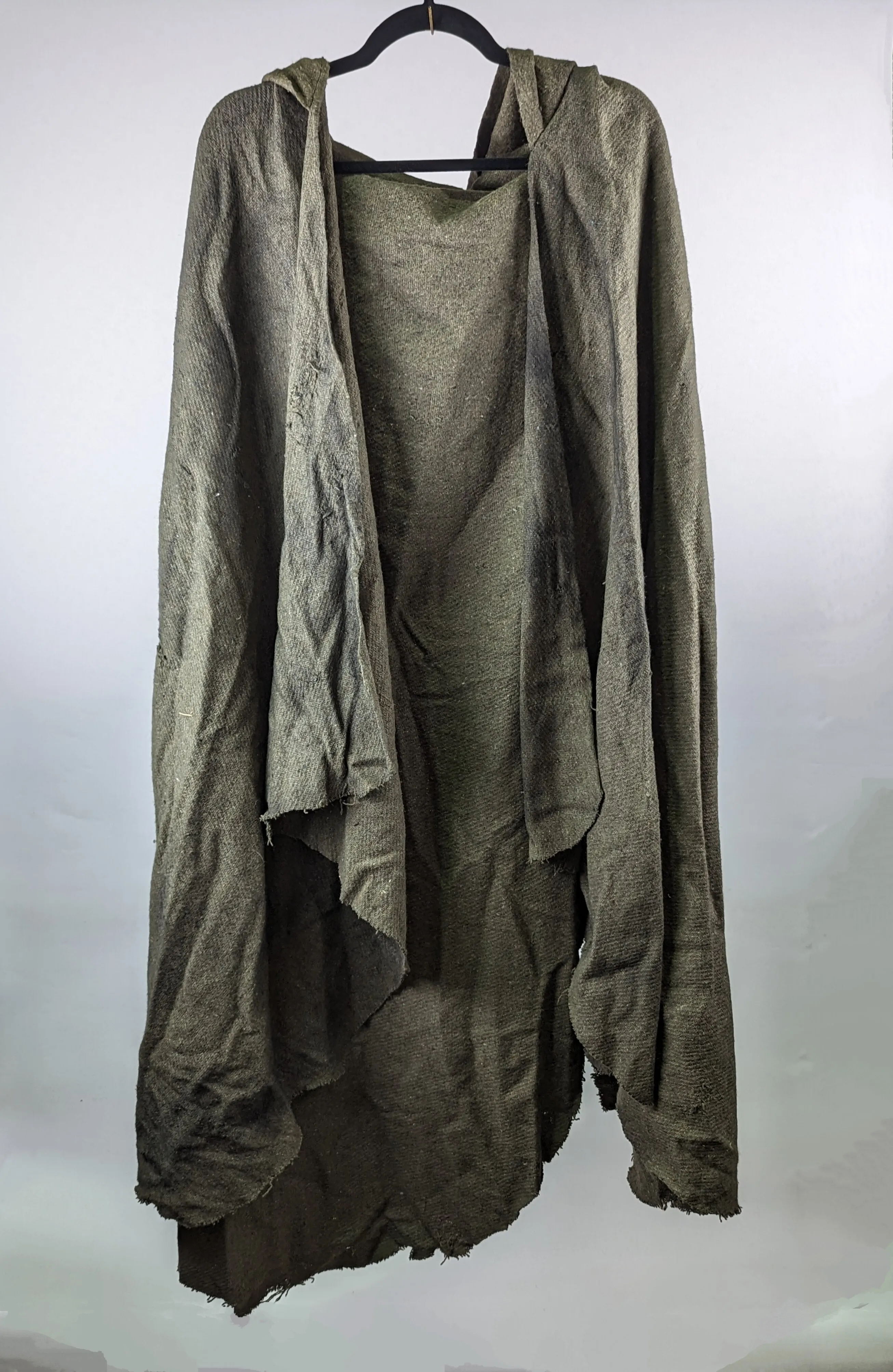
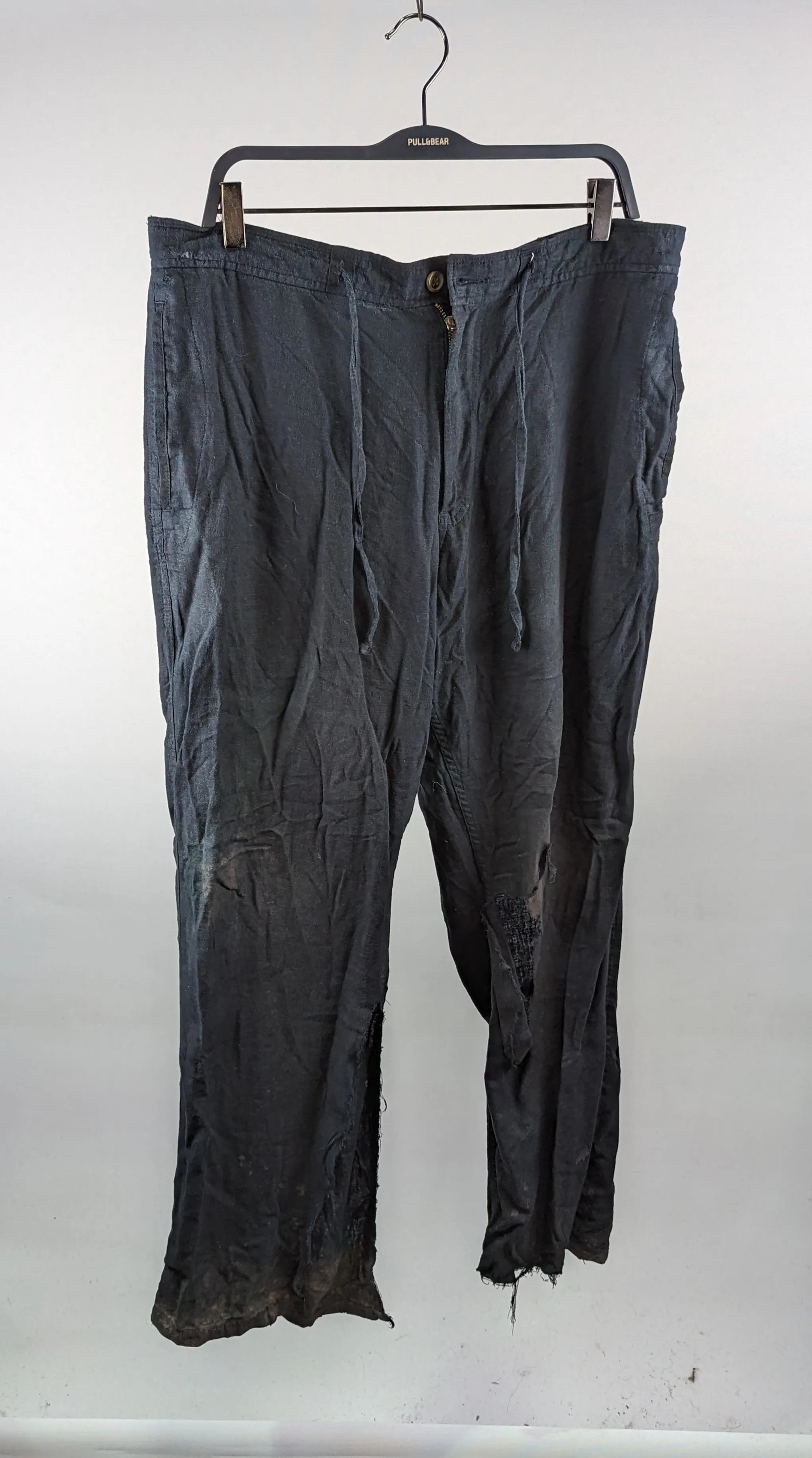
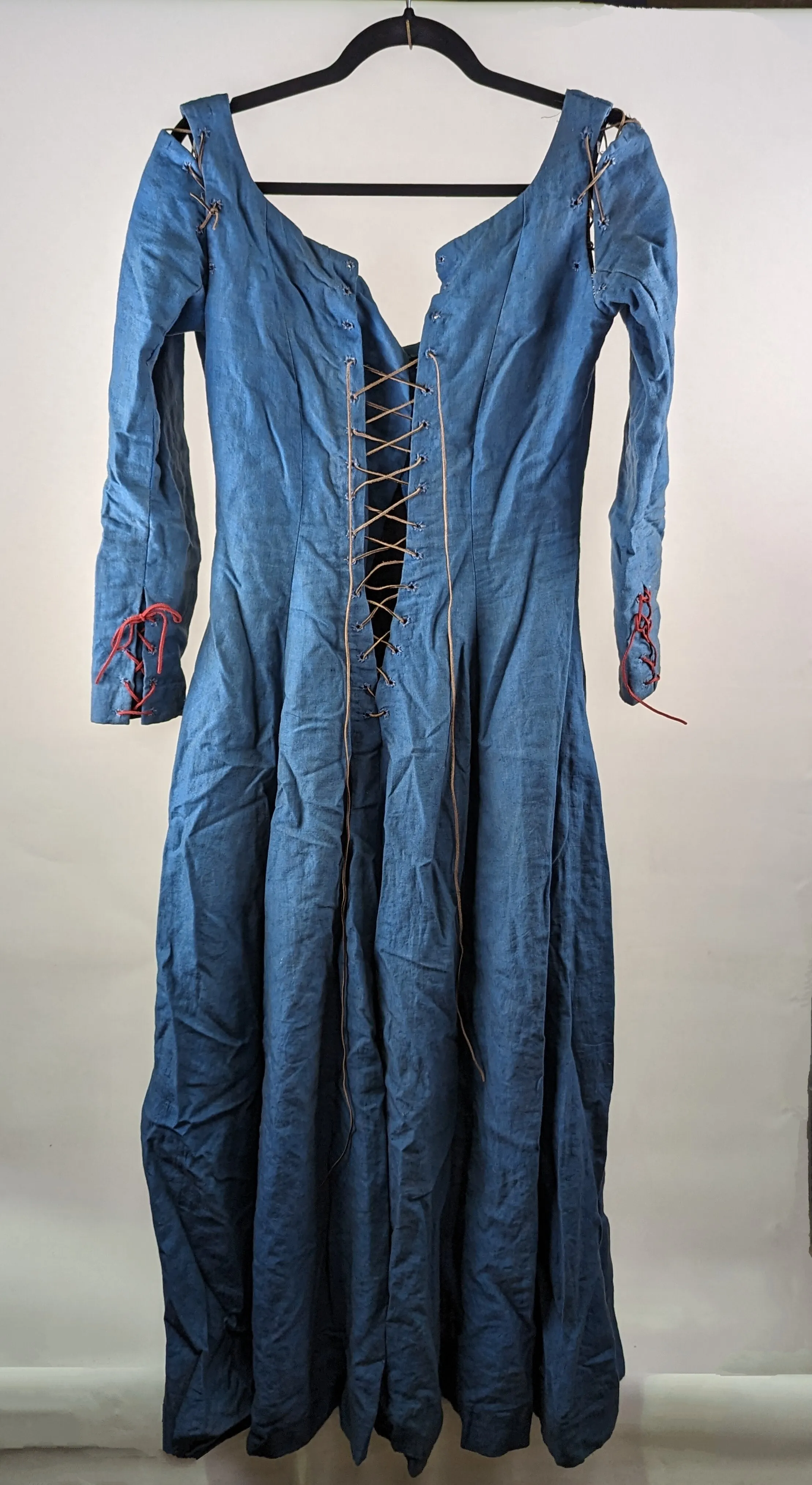
Roman men typically wore a tunic (tunica) as an undergarment, over which they draped a mantle or a toga for formal occasions. Most Romans would have owned at least one woollen cloak. Roman cloaks were worn pinned at one shoulder (chlamys) or joined at the front with a hood (birrus). The toga was a large, semi-circular piece of cloth made from wool. Women wore a stola, a long dress fastened by clasps, and a palla, a large shawl. Wealthier women adorned themselves with jewellery and elaborate hairstyles. Sandals were most commonly worn and shoes were also common, made from leather. Soldiers wore a tunic, armour, and a helmet (galea). The iconic red cloak (sagum) was part of their attire.
Useful Links:
The Roman Empire: A Brief History.
Traces of Ancient Rome in The Modern Day World
Ancient Roman Clothing
.png)
.png)
.jpg)
.png)

.jpg)